Pakistan maintains 27 days of petrol and 21 days of diesel stocks despite disruptions from the Mideast crisis. The government is exploring alternative fuel imports.
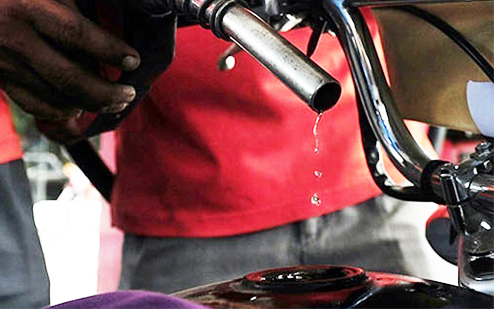
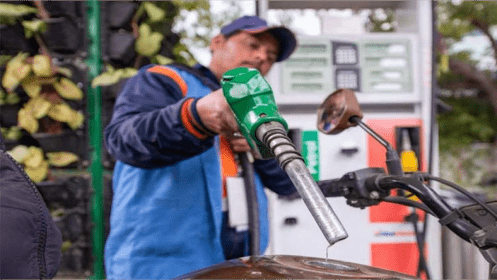
ISLAMABAD: Pakistan currently has petrol stocks sufficient for 27 days and diesel reserves for 21 days despite disruptions in global supply chains caused by the escalating Middle East conflict, Petroleum Secretary Hamed Yaqoob Sheikh told a parliamentary panel on Monday.
Briefing the Senate Standing Committee on Petroleum, Sheikh said the country also had liquefied petroleum gas (LPG) reserves for nine days and aviation fuel (JP-1) stocks sufficient for 14 days.
The briefing came against the backdrop of the ongoing conflict involving Iran, Israel and the United States, which has disrupted global oil supply chains and pushed crude prices to their highest level in nearly two years.
Earlier this month, the government sharply increased petrol and diesel prices by Rs55 per litre — about 20 per cent — in response to rising international oil prices. However, on Friday Prime Minister Shehbaz Sharif decided not to further increase petroleum prices, honouring his commitment to protect consumers despite continued volatility in global markets.
The petroleum secretary informed the committee that around 70 per cent of Pakistan’s petroleum supplies came from the Middle East and that ongoing regional tensions had begun to affect vessel movements and shipping schedules.
He said the price of high-speed diesel had surged from $88 per barrel to $187, while petrol prices rose from $74 to $130. Crude oil, which was trading at $72 per barrel before the conflict, jumped to $88 on the second day of hostilities and has now climbed to about $115 per barrel.
According to Sheikh, oil shipments from Gulf countries usually reach Pakistan within four to five days through the Strait of Hormuz, but cargoes routed via the Red Sea are currently taking up to 12 days due to disruptions.
To manage the situation, the government has allowed temporary imports of fuel below Euro-5 standards and is trying to stretch existing reserves while monitoring supplies closely.
The committee was also informed that Pakistan currently holds crude oil reserves for around 11 days, while two additional tankers carrying petrol and diesel had recently arrived in the country.
Officials said authorities were exploring options to import oil from Russia, which has become an alternative supplier for several countries amid the ongoing global energy disruptions.
Sheikh also disclosed that Pakistan was in discussions with Iran to allow oil shipments through the Strait of Hormuz, noting that four Pakistani oil vessels currently waiting in the region could proceed immediately if permission was granted.
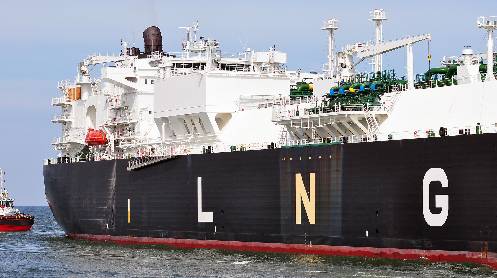
Meanwhile, officials warned the committee about emerging gas supply concerns. They said liquefied natural gas (LNG) shipments from Qatar had been completely suspended due to the conflict.
Out of eight LNG cargoes expected in March, only two arrived while six failed to reach Pakistan. Similarly, three of the six cargoes scheduled for April are likely to be delayed. Officials cautioned that the country could face a gas shortage after April 14 if supplies were not restored.
An emergency gas management plan was also presented to the committee. Under the proposal, total gas supply is expected to decline from 683 million cubic feet per day (mmcfd) to about 672 mmcfd.
The plan proposes increasing gas allocation for domestic consumers from 399 to 420 mmcfd while reducing supply to commercial and industrial sectors. Supply to captive power plants may also be curtailed to manage demand during the crisis.
Officials further revealed that Pakistan had an agreement with an energy company in Azerbaijan for additional LNG supplies if required, though the cost could be nearly three times higher than current imports.